
Good Food for All
Together we can help transform the food system so that everyone eats healthy, nutritious food, fairly and sustainably produced.
When we sit down to eat, we engage with something far more complex than simply a meal on a plate. The food we eat connects us to microbes, plants, animals, our bodies, other people, global politics, culture, and the land. These relationships, though we often know little about them, tell a story in every mouthful.
Today the way we grow, process and buy food is part of an enormous food system; once rooted in locality, this system now stretches throughout the globe, a tangle of complex transactions, relationships, processes and journeys, which contribute to the big problems we face today like the changing climate, pollution, public health and social injustice.
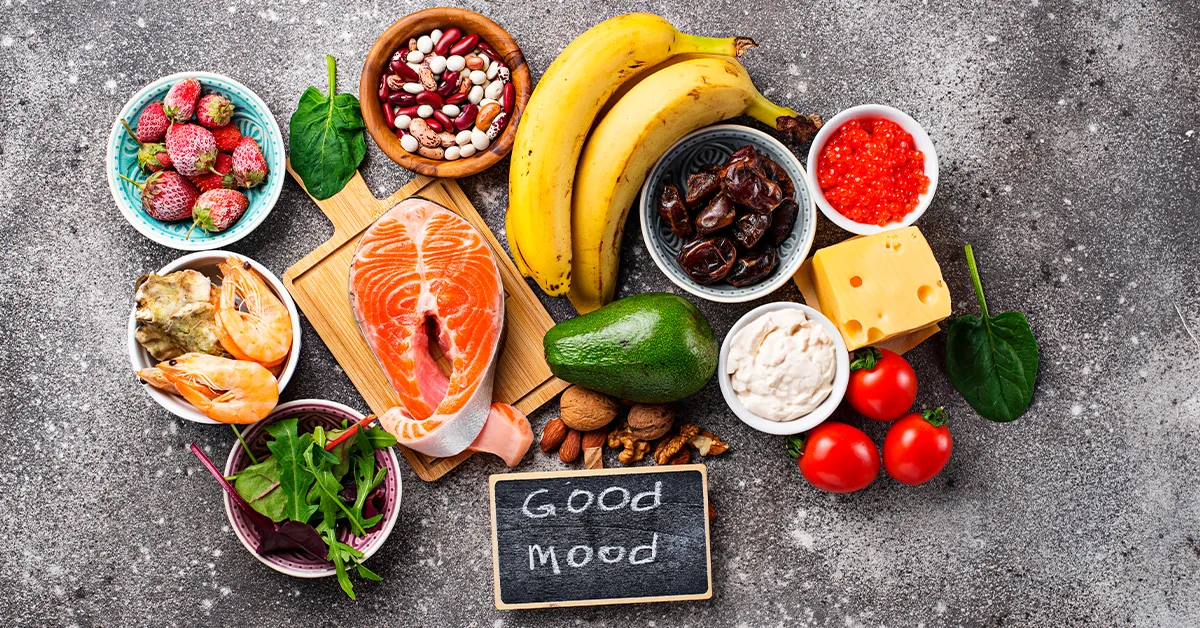
Many people know that a diet containing fruits, vegetables, whole grains, legumes, nuts and seeds provides the nutrients needed for our physical health and mental well-being; however, whilst people can identify healthy foods, this knowledge often does not translate into healthy eating.
Despite campaigns dedicated to encouraging people to eat more vegetables, in recent years the average weekly intake (with the exception of potatoes) has fallen. At the same time, purchases of ultra-processed foods (UPFs) are escalating.
In the UK, more than half the average diet now consists of UPFs. UPFs are consistently associated with a higher prevalence of disease and have a negative impact on the environment.
The recent Food Foundation Broken Plate Report found that healthier foods are more than twice as expensive per calorie as less healthy foods. Due to trouble accessing good quality food at reasonable prices, a fifth of UK households are resorting to these unhealthy, high-calorie UPFs. The report highlights the creation of a dominant food system that has health inequalities built into it.
“This is not a result of individual failure – not a lack of willpower nor a shortage of knowledge – but rather the consequence of a food system which traps us into eating in a way that is harmful to our health and harmful to our planet. For people with limited time and money, breaking free from this trap is an even greater challenge.”
There is an urgent need to address the detrimental environmental impact and health outcomes of our food system. Governments are failing to invest in an ecological approach to food and farming and ensure healthy food is accessible and affordable for all. This crucial need for a resilient, socially just food system has seen the growth of social movements within civil society who are changing the narrative and finding solutions. There is a growing movement away from the idea of a passive food consumer to an era of food citizens seeking to have a positive influence on the way food is grown, processed and eaten.
Food citizen led initiatives including Community Supported Agriculture (CSA), cooperatives, regional food networks, community gardens, collective kitchens, zero-waste projects, local food hubs, shared skills and food forests are reimagining how we produce, cook and share food to ensure healthy diets are affordable and accessible for all.
Many organisations are advocating for better food policies, UPF legislation, restriction on marketing unhealthy food, promoting food education, undertaking research and participating in campaigns to influence government action.
We all have a role to play in mending the ‘broken plate’, and health professionals are in a good position to inform and support others. Together we can help steer the food system to one that supports the health of individuals, communities and the planet. Here are 4 key actions.
Cook at home
Cooking is fundamental to healthy eating. John’s Hopkins research has shown that people who frequently cook meals at home eat healthier and consume fewer calories than those who cook less. Research has shown that the sensory aspects of cooking — sight, touch, smell, sound, and taste — grounds us in the moment and the repetitive actions of chopping and stirring are calming. ‘Cooking therapy’ is now used in mental health programmes.
Cooking and eating together are social rituals that build community. It is a universal language connecting us to each other. If we abandon cooking we lose connectedness to food and with it the agency to actively reshape the food system.
Eat more plants
Eating a wide variety of vegetables, grains, legumes, nuts, seeds, fungi, sea vegetables and fruit are included in a plant-rich way of eating, but it can also include a small amount of food of animal origin. Eating plant-rich lessens environmental impact and lowers the risk of diet-related chronic diseases such as type 2 diabetes, hypertension and obesity. Plants are packed full of phytonutrients — they are the plant’s immune system, providing protection against viruses, bacteria, insects, oxidation and background radiation. When we eat a diet rich in a variety of plants we harness these amazing powers and the plant’s protection becomes our protection. Different coloured plants contain different phytonutrients with different health benefits.
Choose local & natural
Health isn’t just about what you eat — it’s also about how it was grown and processed. As much as possible choose and promote local, seasonal food grown in harmony with nature. These foods maximise value for the communities, economies and environments where they are produced, sold and eaten. Local produce is typically harvested at peak ripeness and reaches consumers quickly, retaining more essential vitamins and minerals than items that are transported over long distances and stored for extended periods. Research led by David Montgomery of the University of Washington compares the effect of different methods of farming on soil health and crop nutrient density from a cohort of paired farm trials across the USA. His comparison indicates that regenerative agricultural practices are more likely to produce higher levels of phytonutrients, vitamins and minerals.
Get to know what’s happening near you
Throughout the UK there are those with a mission to improve the health of individuals, communities and the environment. Check out ones near you that you can participate in.
Institute of Health Equity
There are over 60 UK Marmot cities committed to strong preventive health policies that address the social determinants of health, such as improving access and affordability of nutritious food.
Sustainable Food Places
The Sustainable Food Places network has over 100 local food partnerships seeking to improve food access, promote local food and strengthen communities.
Feeding Britain
A national network supporting local anti-hunger partnerships of over 700 organisations with a vision of a UK where no one goes hungry.
UK Harvest
Operating in London and throughout the South of England, UK Harvest redistributes to vulnerable people through community hubs and offers cooking classes and tips to improve wellbeing.
Farm Garden
A charity supporting communities to farm and garden, working with 200 city and school farms and 1,000 community gardens.
Food for Life
Food for Life is part of the Soil Association and works directly with caterers, schools and communities to ensure the availability of good food. They currently work with 700 schools and 80 nurseries embedding a positive food culture into school life.
Together as food citizens we are part of the growing movement to create a fairer and more ecologically sound food system and ensure nourishing food on our plates.
More resources
- foodrise.org.uk
- sustainweb.org
- soilassociation.org
- sustainablefoodtrust.org
- biteback2030.com
- foodfoundation.org.uk
- landworkersalliance.org.uk
- foodcitizenship.info
About the author
Daphne Lambert
Eco-nutritionist, medicinal chef, educator, university tutor, author.
Daphne Lambert is founder of the charity Greencuisine Trust. The Trust brings people together in the kitchen for practical food experiences and around the table for conversation, in-depth thinking and wide-ranging visioning concerning the future of food.
Daphne is the facilitator of Whole Food Medicine — an evidence-based CPD accredited, in-person, hands-on food and nutrition workshop for health professionals. Whole Food Medicine helps improve the knowledge and understanding of environmental issues and the inter-relationship between health, food, cooking, culture, bio-diversity, agriculture and the environment.
Contact: daphne@greencuisinetrust.org