
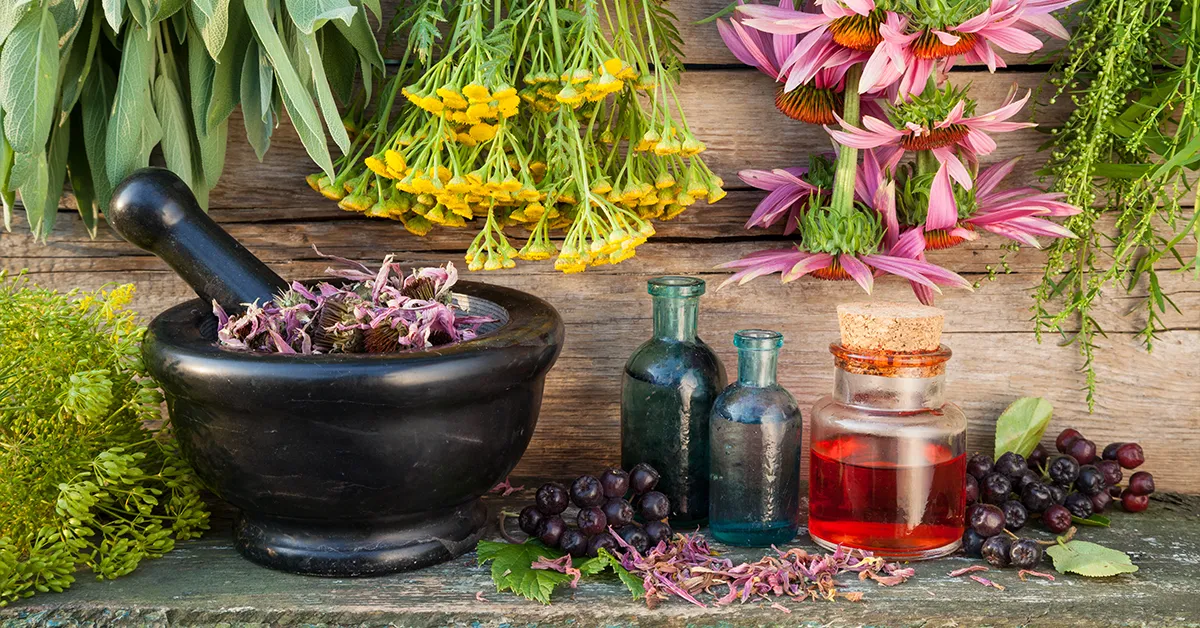
Phytotherapy: Using Plants for Health
Phytotherapy is the practice of using plant-based compounds for medicinal purposes to support health, and prevent disease, through targeted use of herbs and plant extracts alongside conventional nutrition strategies.
Introduction:
Plants have been used for medicinal purposes for thousands of years and form the foundation of many traditional healing systems worldwide. From Ancient Egyptian texts to traditional Chinese Medicine, plant-based remedies have long been used to support digestion, immunity, and overall health. This historical knowledge has contributed significantly to the development and understanding of modern pharmacology and nutrition science.
In recent years, there has been growing interest in natural wellness, and preventative nutrition. As a result, phytotherapy has gained attention within evidence-based practice. Many plant components , including polyphenols, alkaloids, and terpenes, have been shown to have antioxidant, anti-inflammatory, and metabolic effects relevant to dietetic care. Phytotherapy differs from simple herbal supplementation by emphasising standardised doses, and targeted therapeutic outcomes through supporting clinical evidence.
Understanding the background, applications, and limitations of phytotherapy allows healthcare professionals to evaluate, and safely integrate plant-based interventions into nutrition strategies that support long-term health outcomes.
Common Plant Compounds and Their Benefits:
Polyphenols:
Polyphenols are biologically active compounds naturally present in plant-based foods, including fruits, vegetables, cereals, and coffee. They play a protective role in health and disease through antioxidant and anti-inflammatory actions, helping to reduce oxidative stress and supporting cardiovascular health while potentially lowering the risk of certain cancers.
Alkaloids:
Alkaloids are naturally occurring chemical compounds found in many organisms, including plants. Present in foods such as coffee, cocoa, and certain fruits and vegetables, they are embedded in nutrition and medicine due to their effects on the nervous system. Alkaloids can stimulate metabolism and support cognitive function.
Terpenes and Essential Oils:
Terpenes are key biosynthetic building blocks and the main components of essential oils in many plants and flowers, contributing to their biological activity. Found in herbs such as rosemary, peppermint, and lavender, terpenes may support digestion, reduce stress, and enhance immune function, making them valuable in nutrition and wellness.
Saponins and Glycosides:
Saponins are naturally occurring compounds containing at least one glycosidic bond. Commonly found in legumes and certain herbs, they are valued for their potential health benefits, including supporting heart health, improving cholesterol balance, and aiding glucose regulation, making them important bioactive components in supporting health and nutrition.
Clinical Applications in Nutrition:
Digestive Health:
Peppermint and ginger extracts are widely known for their digestive benefits. Peppermint has shown to help relax the gastrointestinal tract, reducing bloating and discomfort, however, due to peppermint’s ability to relax smooth muscle, it can also reduce pressure of the lower oesophagus and cause reflux and heartburn. While ginger can alleviate nausea and support digestion. Together, both offer natural, evidence-supported strategies to improve digestive comfort and overall gut health using nutrition.
Metabolic Support:
Cinnamon and fenugreek have shown promising effects on metabolic health. Some research suggests they can improve insulin sensitivity, help regulate blood sugar levels, and support healthy glucose metabolism. However, findings across clinical trials are inconsistent. Several meta-analyses report that while certain glycaemic markers may improve, results are often inconclusive due to variability in study design, and methods. Including these herbs as part of a balanced diet may provide a natural, complementary approach to managing metabolic challenges and supporting long-term health.
Immune Support:
Garlic and elderberry are popular plant-based remedies for immune health. Garlic may stimulate immune cell activity, while elderberry has antiviral and antioxidant properties. Regular use of these plant compounds can enhance immune resilience, particularly during common times of illness, and may support nutrition and preventive health strategies.
Dose and Supplement Considerations:
The therapeutic effects of phytochemicals are often dose-dependent, meaning that the amount consumed must reach a certain level to provide effective health benefits. While whole foods like fruits, vegetables, herbs, and spices provide these plant compounds, the concentrations in typical food servings may be insufficient to achieve the therapeutic effects. Standardised extracts or supplements can provide a consistent and measurable dose of the plant compounds, ensuring predictable therapeutic outcomes. For example, peppermint oil capsules used for digestive health are standardised to a specific menthol content (0.2–0.4% menthol, which equals 1–2 capsules/day), and St John’s Wort extracts are standardised for hypericin levels (0.3% hypericin, 300 mg extract/day). Healthcare professionals should consider both the form and dose of phytochemicals when recommending them, balancing the benefits of whole foods with the need for supplements when higher or more consistent doses are required for health outcomes.
Safety Considerations:
Recent literature highlights important ethical and safety considerations surrounding phytotherapy use. A 2022 review emphasises that herbal medicinal products are often perceived as safe due to their natural origin, which can lead to inappropriate use and underestimated risks. The paper outlines concerns including poor product quality, contamination, incorrect plant identification, and herb–drug interactions. It stresses the need for evidence-based guidance, accurate regulation, and professional support to ensure phytotherapy is used safely and effectively within healthcare practice.
An example of these concerns is St John’s Wort, which is particularly relevant in mental health. St John’s Wort, a plant commonly used to aid mild to moderate depressive symptoms, demonstrates both the therapeutic potential and the safety challenges of herbal medicine. While some clinical evidence supports its efficacy in certain populations, it is associated with significant drug interactions, as it can affect how the body metabolises other medications. This can reduce the effectiveness of medications such as selective serotonin reuptake inhibitors (SSRIs), oral contraceptives, anticoagulants, and immunosuppressants, and in some cases increase the risk of serotonin syndrome. The example underscores the importance of professional guidance, and patient education when integrating phytotherapy into mental healthcare.
Conclusion:
Phytotherapy represents a bridge between nutrition and medicine, offering a science-based approach to harnessing the therapeutic potential of plants. When applied thoughtfully, it can enhance health outcomes, support preventive strategies, and complement conventional nutrition interventions.
Key Takeaways:
- Phytotherapy uses plant-based compounds to support health and prevent disease.
- Evidence supports its role in digestive, metabolic, and immune health.
- Safety and standardisation are essential; support from qualified health professionals is recommended.
- Everyday nutrition can incorporate phytochemicals through foods like berries, herbs, spices, and vegetables.
Key Resources:
- European Medicines Agency (EMA): Herbal Medicines Guidelines – Herbal medicinal products | European Medicines Agency (EMA)
- World Health Organization (WHO): Traditional Medicine Strategy – Global traditional medicine strategy 2025-2034
- Nutrition and Phytotherapy journals: Phytotherapy Research, Journal of Functional Foods – Phytotherapy Research | Pharmacology Journal | Wiley Online Library
References
Abbas, M., Saeed, F., Anjum, F.M., Afzaal, M., Tufail, T., Bashir, M.S., Ishtiaq, A., Hussain, S. and Suleria, H.A.R. (2017) ‘Natural polyphenols: An overview’, International Journal of Food Properties, 20(8), pp. 1689–1699. Available at: Natural polyphenols: An overview
Abugharsa, J.M. (2025) ‘Systematic review: The efficacy of coriander, cinnamon, fenugreek, and flaxseed in regulating blood sugar’. Available at: Systematic Review: The Efficacy of Coriander, Cinnamon, Fenugreek, and Flaxseed in Regulating Blood Sugar
Awuchi, C.G. (2020) ‘The biochemistry, toxicology, and uses of the ecologically active phytochemicals: Alkaloids, terpenes, polyphenols, and glycosides’, Merit Research Journals, 5(1), pp. 6–21. Available at: The biochemistry, toxicology, and uses of the ecologically active phytochemicals: Alkaloids, terpenes, polyphenols, and glycosides’
Cheema, H.S. and Singh, M.P. (2021) ‘The use of medicinal plants in digestive system related disorders: A systematic review’, Journal of Ayurvedic and Herbal Medicine, 7(3), pp. 182–187. Available at: The-Use-of-Medicinal-Plants-in-Digestive-System-Related-Disorders-A-Systematic-Review.pdf
Cox-Georgian, D., Ramadoss, N., Dona, C. and Basu, C. (2019) ‘Therapeutic and medicinal uses of terpenes’, in Medicinal Plants: From Farm to Pharmacy. Cham: Springer, pp. 333–359. Available at: Therapeutic and medicinal uses of terpenes
Dossett, M.L., Cohen, E.M. and Cohen, J. (2017) ‘Integrative medicine for gastrointestinal disease’, Primary Care, 44(2), p. 265. Available at: Integrative Medicine for Gastrointestinal Disease
Khan, M.S.A. and Ahmad, I. (2019) ‘Herbal medicine: Current trends and future prospects’, in New Look to Phytomedicine. Amsterdam: Elsevier, pp. 3–13. Available at: Herbal Medicine: Current Trends and Future Prospects – ScienceDirect
Korotaeva, M.S., Sidorov, A.V. and Tichonova, I.G. (2022) ‘Ethical aspects of phytotherapy’, Medical Ethics, 10(4), pp. 38–42. Available at: Ethical Aspects of Phytotherapy
Maidment, I. (2000) ‘The use of St John’s Wort in the treatment of depression’, Psychiatric Bulletin, 24(6), pp. 232–234. Available at: The use of St John’s wort in the treatment of depression
Medagama, A.B. (2015) ‘The glycaemic outcomes of cinnamon: a review of the experimental evidence and clinical trials’, Nutrition Journal, 14(1), p. 108. Available at: The glycaemic outcomes of Cinnamon, a review of the experimental evidence and clinical trials
Monib, P.N. (2024) ‘The role of plants in traditional and modern medicine’, Journal of Pharmacognosy and Phytochemistry, 13(2), pp. 643–647. Available at: The-role-of-plants-in-traditional-and-modern-medicine.pdf
National Center for Complementary and Integrative Health (2025). Herbs at a Glance. [online] NCCIH. Available at: Herbs at a Glance | NCCIH
Otieno, B.A. (2019) ‘Natural immune boosters: A review of ten key herbs for enhancing immune function’, Advances in Herbal Research, 1(1), pp. 1–6. Available at: A Review of Ten Key Herbs for Enhancing Immune Function
Rajput, A., Sharma, R. and Bharti, R. (2022) ‘Pharmacological activities and toxicities of alkaloids on human health’, Materials Today: Proceedings, 48, pp. 1407–1415. Available at: Pharmacological activities and toxicities of alkaloids on human health – ScienceDirect
Saggar, S., Mir, P.A., Kumar, N., Chawla, A., Uppal, J. and Kaur, A. (2022) ‘Traditional and herbal medicines: Opportunities and challenges’, Pharmacognosy Research, 14(2), pp. 107–114. Available at: Traditional-and-Herbal-Medicines-Opportunities-and-Challenges.pdf
Singh, B., Singh, J.P., Singh, N. and Kaur, A. (2017) ‘Saponins in pulses and their health promoting activities: A review’, Food Chemistry, 233, pp. 540–549. Available at: Saponins in pulses and their health promoting activities: A review – ScienceDirect