
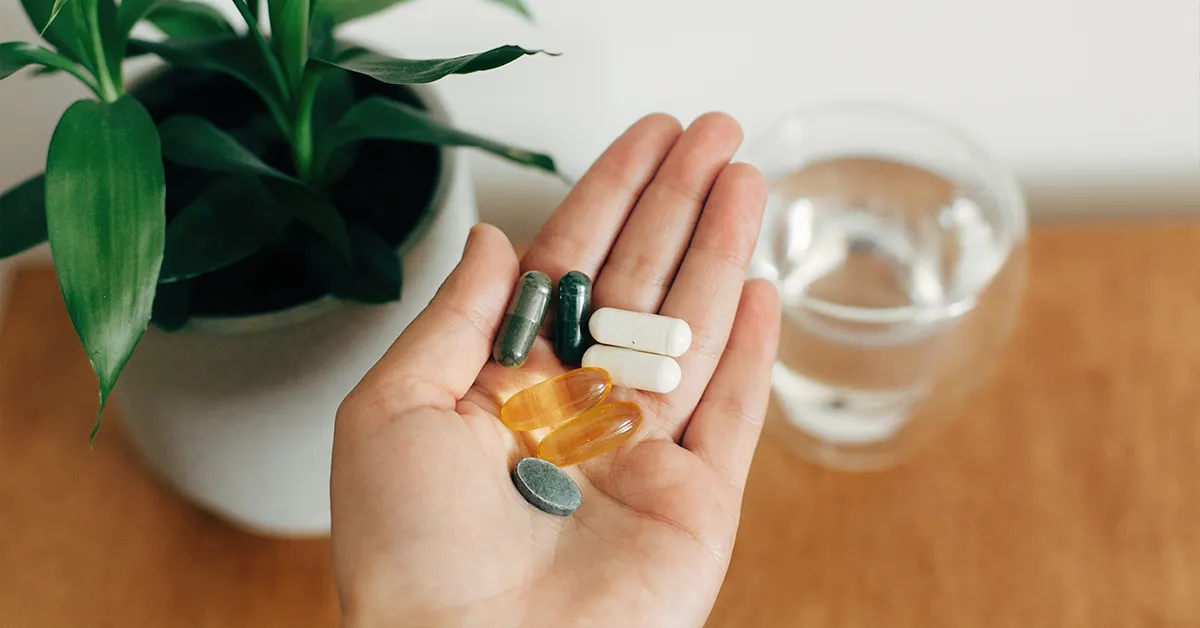
Supplements and Cancer Risk: What Science Really Says
While some supplements can support overall health, certain vitamins and minerals taken in high doses may increase cancer risk. A balanced diet and professional guidance are key.
Supplements are widely used to support overall health and address nutritional gaps. However, they are not without risks—particularly when taken in high doses. Studies indicate that overconsumption of certain vitamins and minerals may raise the risk of specific cancers. Being informed about the evidence can help you make safer choices and better protect your long-term health.
Vitamins and Cancer Risk
Vitamin A:
Vitamin A is essential for vision, immunity, and cell growth. Carotenoids—plant compounds that the body can convert into vitamin A—act as antioxidants and may help protect against chronic diseases, including cancer. However, studies on vitamin A and cancer risk have been inconsistent. Meta-analyses suggest that vitamin A may reduce the incidence of breast and ovarian cancer, whereas some clinical trials report an increased risk of death from lung and prostate cancers with high intake. Notably, the CARET (Carotene and Retinol Efficacy Trial) study demonstrated that elevated lung cancer risk associated with high-dose vitamin A supplementation occurred primarily among smokers, underscoring the importance of population-specific effects. Research indicates a U-shaped relationship between vitamin A intake and cancer risk, highlighting that both deficiency and excessive intake can be harmful.
Meeting the recommended dietary intake is important to gain the benefits of vitamin A without adverse effects. Excessive vitamin A can be toxic, particularly to the liver, and may cause symptoms such as yellowing of the skin, nausea, fatigue, and irritability. While supplementation can help individuals who struggle to meet their needs, overuse may negatively affect cardiovascular, cancer, and bone health.
Vitamin D:
Around 80–90% of vitamin D is synthesised through skin exposure to sunlight, with the remaining 10–20% obtained from dietary sources. Vitamin D deficiency is a global public health issue and has been linked to adverse musculoskeletal and cardiovascular health outcomes. NICE (2022) recommends treating deficiency through a combination of safe sunlight exposure, increased dietary intake, and daily supplementation of 400 IU (10µg) of vitamin D. However, while sunlight is necessary for vitamin D synthesis, prolonged or excessive sun exposure does not further increase vitamin D production and significantly increases the risk of skin cancer.
Vitamin D supplementation has been explored as a potential cancer prevention strategy, as ecological studies have observed lower cancer mortality rates in regions with higher sunlight exposure. Despite this, large-scale randomised controlled trials have not found strong evidence that moderate- or high-dose vitamin D supplementation reduces cancer incidence or mortality. Following established vitamin D guidance is important for correcting deficiency, but excessive supplementation can lead to vitamin D toxicity, resulting in hypercalcaemia and associated health risks. Maintaining vitamin D levels within recommended ranges is therefore essential to maximise benefits while minimising harm.
Vitamin E:
Vitamin E acts as an antioxidant, protecting cells from damage. Vitamin E supplementation is becoming more common due to hopes that it will help lower the risk of chronic diseases like cancer. However, large scale trials such as the SELECT (Selenium and Vitamin E Cancer Prevention Trial) study did not provide significant results that Vitamin E has anticancer effects. Additionally, studies have found evidence that has raised concerns about high-dose supplementation of Vitamin E. The SELECT study found that men who took high-dose vitamin E supplements (400 IU/day) had a significantly increased risk of prostate cancer compared with those taking a placebo. Follow-up of the SELECT trial confirmed that this increased risk persisted even after supplementation had stopped.
These findings suggest that while vitamin E is essential for health, excessive supplemental intake may promote harmful biological effects rather than provide protection. Importantly, this increased risk has not been observed with vitamin E obtained from dietary sources. Foods such as nuts, seeds, vegetable oils, and whole grains provide vitamin E in appropriate amounts alongside other protective nutrients. As a result, obtaining vitamin E through a balanced diet is considered a safer and more effective approach than high-dose supplementation, particularly in individuals without a diagnosed deficiency.
Minerals and Cancer Risk
Calcium:
Calcium plays an important role in cell signalling, muscle function, and bone health. It has also been studied for its potential impact on cancer risk. Evidence consistently suggests that adequate dietary calcium intake is associated with a lower risk of colorectal cancer. Large observational studies published over the past decade indicate that calcium may reduce damage to intestinal cells. More recent population-based research supports this protective effect, particularly when calcium is obtained from food sources such as dairy products, fortified alternatives, and leafy green vegetables.
In contrast, the role of calcium supplementation is less clear. Large randomised controlled trials have found no significant reduction in overall cancer incidence with calcium supplementation, either alone or combined with vitamin D. Some studies also suggest that high supplemental calcium intake may be associated with an increased risk of prostate cancer, although findings remain inconsistent. Overall, current evidence suggests that meeting calcium requirements through diet is preferable, while supplements should be used cautiously and primarily to correct deficiency rather than for cancer prevention.
Iron:
Iron is an essential mineral that helps carry oxygen around the body and supports energy levels and immune health. But when it comes to cancer risk, research suggests that too much iron may do more harm than good, particularly certain types. Studies have linked haem iron, found in red and processed meat, to a slightly higher risk of some cancers, including colorectal and breast cancer. In contrast, non-haem iron from plant foods like beans, lentils, and whole grains does not appear to carry the same risk.
Iron supplements are often used to treat iron deficiency, which is important because low iron can weaken immunity and overall health. However, taking iron supplements when you don’t need them may increase oxidative stress in the body, which could damage DNA and potentially contribute to cancer development. Because the body has no easy way to get rid of excess iron, long-term over-supplementation may lead to iron overload. Iron supplements can be beneficial and sometimes essential, but they should be used only when deficiency is confirmed and under professional guidance. For most people, meeting iron needs through a balanced diet is the safest approach.
Zinc:
Zinc is a key mineral that supports immune health, wound healing, and DNA repair, which is why it is found in cold remedies, and multivitamins. When it comes to cancer risk, it is important to meet the required zinc recommendation as too little, or excess zinc has harmful effects. Research suggests that getting enough zinc from food may support overall health, and some studies link moderate dietary zinc intake with a lower risk of certain cancers, particularly in the digestive system. Foods like meat, shellfish, nuts, seeds, and whole grains are reliable sources.
Zinc supplements, however, are more complicated. Long-term studies in men have found that high-dose zinc supplementation or using zinc supplements for many years may be linked to a higher risk of aggressive prostate cancer. Other research shows that zinc supplements don’t seem to reduce overall cancer risk, especially when taken in people who already meet their zinc needs through diet. One possible reason is that too much zinc can interfere with other minerals, such as copper, and may disrupt normal immune and cellular function.
Zinc is essential, but more isn’t better. Supplements can be helpful for people with a diagnosed deficiency, but taking high doses isn’t supported by the evidence. Aiming to meet zinc requirements through a varied, balanced diet is the safest approach.
Multivitamins and Cancer Risk
Multivitamin use has been widely studied in relation to cancer risk, yet findings remain mixed and context dependent. Observational studies have generally shown no strong association between routine multivitamin use and overall cancer incidence, suggesting neither significant benefit or harm in the general population. Some evidence has indicated slight protective effects, specifically among individuals with micronutrient deficiencies, whereas randomized controlled trials have largely failed to demonstrate significant reductions in total cancer risk.
Overall, current evidence suggests that multivitamins neither prevent or promote cancer when used at recommended doses, and that obtaining nutrients from a balanced diet remains the preferred strategy.
Conclusion
Supplements can play a valuable role in correcting nutrient deficiencies and supporting health when used appropriately. However, current evidence suggests that more is not always better. High-dose or long-term supplementation of certain vitamins and minerals has shown some associations to an increased risk of specific cancers in some populations. In contrast, obtaining these nutrients through a balanced diet consistently appears safer and, in some cases, protective. Overall, supplements should not be viewed as a strategy for cancer prevention, and their use should be guided by healthcare professionals.
Key Messages
Supplements are not risk-free: high doses of some vitamins and minerals may increase cancer risk.
Evidence for cancer prevention through supplementation is weak or inconsistent.
Nutrients obtained from whole foods are generally associated with lower cancer risk compared with high-dose supplements.
Both deficiency and excess can be harmful, highlighting the importance of meeting but not exceeding recommended intakes.
Supplements are most appropriate for treating diagnosed deficiencies or specific clinical needs, under professional guidance.
Key Resources
World Cancer Research Fund (WCRF): Diet, Nutrition, Physical Activity and Cancer: a Global Perspective
National Institute for Health and Care Excellence (NICE): Overview | Vitamin D: supplement use in specific population groups | Guidance | NICE
NHS UK: Vitamins and minerals – NHS
National Cancer Institute (NCI): Risk Factors: Diet – NCI
Office of Dietary Supplements (NIH): Dietary Supplement Fact Sheets
References
Abraham, A., Kattoor, A.J., Saldeen, T. & Mehta, J.L., 2019. Vitamin E and its anticancer effects. Critical Reviews in Food Science and Nutrition, 59(17), pp.2831–2838. Available at: Vitamin E and its anticancer effects – PubMed
Alashry, A.I.A. & Morsy, T., 2021. Overview of vitamin A. Journal of the Egyptian Society of Parasitology, 51(1), pp.29–42. Available at: OVERVIEW OF VITAMIN A
Aune, D. et al., 2019. Dairy products, calcium, and colorectal cancer risk: a systematic review and meta-analysis. International Journal of Epidemiology, 48(6), pp.1869–1883. Available at: Dairy products and colorectal cancer risk: a systematic review and meta-analysis of cohort studies – PubMed
Aune, D. et al., 2025. Association between zinc intake and risk of digestive tract cancers: systematic review and meta-analysis. Available at: Association between zinc intake and risk of digestive tract cancers: A systematic review and meta-analysis
Chandler, P.D. et al., 2020. Effect of calcium and vitamin D supplementation on cancer outcomes: long-term follow-up of the WHI trial. American Journal of Clinical Nutrition, 112(6), pp.1502–1510. Available at: Long-Term Effect of Randomization to Calcium and Vitamin D Supplementation on Health in Older Women : Postintervention Follow-up of a Randomized Clinical Trial – PubMed
Egnell, M. et al., 2017. Antioxidant intake from diet and supplements and risk of digestive cancers in middle-aged adults: results from the prospective NutriNet-Santé cohort. British Journal of Nutrition, 118(7), pp.541–549. Available at: Antioxidant intake from diet and supplements and risk of digestive cancers in middle-aged adults: results from the prospective NutriNet-Santé cohort – PubMed
Ikeda, S. et al., 2025. Vitamin A intake and risk of cancer incidence: Insights from a Case–Control study. Nutrients, 17(17), p.2744. Available at: Vitamin A Intake and Risk of Cancer Incidence: Insights from a Case-Control Study – PubMed
Keum, N. et al., 2019. Calcium intake and prostate cancer risk: a meta-analysis. Cancer Epidemiology, Biomarkers & Prevention, 28(1), pp.9–17. Available at: Calcium intake and risk of prostate cancer: A systematic review and dose-response meta-analysis of prospective cohort studies – PubMed
Klein, E.A. et al., 2011. Vitamin E and the risk of prostate cancer: The SELECT trial. JAMA, 306(14), pp.1549–1556. Available at: Vitamin E and the risk of prostate cancer: the Selenium and Vitamin E Cancer Prevention Trial (SELECT) – PubMed
Kristal, A.R. et al., 2014. Baseline selenium status and effects of selenium and vitamin E supplementation on prostate cancer risk. Journal of the National Cancer Institute, 106(3). Available at: Baseline selenium status and effects of selenium and vitamin e supplementation on prostate cancer risk – PubMed
Lim, J., Weinstein, S.J., Liao, L.M., Sinha, R., Huang, J. and Albanes, D. (2022) ‘Multivitamin use and overall and site-specific cancer risks in the National Institutes of Health–AARP Diet and Health Study’, The Journal of Nutrition, 152(1), pp. 211–216. Available at: Multivitamin Use and Overall and Site-Specific Cancer Risks in the National Institutes of Health–AARP Diet and Health Study – ScienceDirect
Man, Y. et al., 2022. Iron supplementation and iron-fortified foods: A review. Critical Reviews in Food Science and Nutrition, 62(16), pp.4504–4525. Available at: Iron supplementation and iron-fortified foods: a review – PubMed
Manson, J.E. et al., 2019. Vitamin D supplements and prevention of cancer and cardiovascular disease. New England Journal of Medicine, 380(1), pp.33–44. Available at: Vitamin D Supplements and Prevention of Cancer and Cardiovascular Disease – PubMed
NICE, 2022. Vitamin D deficiency in adults. Available at: https://cks.nice.org.uk/topics/vitamin-d-deficiency-in-adults/
Omenn, G.S., Goodman, G.E., Thornquist, M.D., Balmes, J., Cullen, M.R., Glass, A., Keogh, J.P., Meyskens Jr, F.L., Valanis, B. and Williams Jr, J.H. (1996) ‘Risk factors for lung cancer and for intervention effects in CARET, the beta-carotene and retinol efficacy trial’, Journal of the National Cancer Institute, 88(21), pp. 1550–1559. Available at: Risk Factors for Lung Cancer and for Intervention Effects in CARET, the Beta-Carotene and Retinol Efficacy Trial | JNCI: Journal of the National Cancer Institute | Oxford Academic
Ronco, A.L., Espinosa, E. & Calderón, J.M., 2018. A case-control study on heme/non-heme iron and breast cancer risk. Ann Clin Nutr, 3, p.1011. Available at: Dietary acid load and lung cancer risk: A case-control study in men – PubMed
Salnikow, K., 2021. Role of iron in cancer. Seminars in Cancer Biology, 76, pp.189–194. Available at: Role of iron in cancer – ScienceDirect
Taylor, P.N. & Davies, J.S., 2018. A review of the growing risk of vitamin D toxicity from inappropriate practice. British Journal of Clinical Pharmacology, 84(6), pp.1121–1127. Available at: A review of the growing risk of vitamin D toxicity from inappropriate practice – PubMed
Wessling-Resnick, M., 2017. Excess iron: Considerations related to development and early growth. American Journal of Clinical Nutrition, 106, pp.1600S–1605S. Available at: Excess iron: considerations related to development and early growth – PubMed
World Cancer Research Fund, 2018. Diet, nutrition, physical activity and colorectal cancer. Available at: Diet, Nutrition, Physical Activity and Cancer: a Global Perpective
World Cancer Research Fund International, 2025. Do not use supplements for cancer prevention: Evidence for our recommendations. Available at: https://www.wcrf.org/research-policy/evidence-for-our-recommendations/supplements/
Zaichick, V., Zaichick, S. & Wynchank, S., 2016. Intracellular zinc excess as one of the main factors in the etiology of prostate cancer. Journal of Analytical Oncology, 5(3), pp.124–131. Available at: Intracellular Zinc Excess as One of the Main Factors in the Etiology of Prostate Cancer
Zhang, Y. et al., 2022. Zinc supplement use and risk of aggressive prostate cancer: a 30-year follow-up study. European Journal of Epidemiology. Available at: https://doi.org/10.1007/s10654-022-00922-0